

What is Included in Rajasthan Tour Packages?
Ask anyone who has been to Rajasthan, and they’ll probably tell you the same thing: the forts and palaces are stunning, but figuring out the logistics beforehand is half the battle. That’s usually why people end up looking at Rajasthan Tour Packages instead of booking everything piece by piece. It sounds simpler on paper, but a lot of travellers book a package without really knowing what’s inside it. So let’s go through it properly, section by section, so there are no surprises once you land in Jaipur or Udaipur.
What Actually Goes Into These Packages
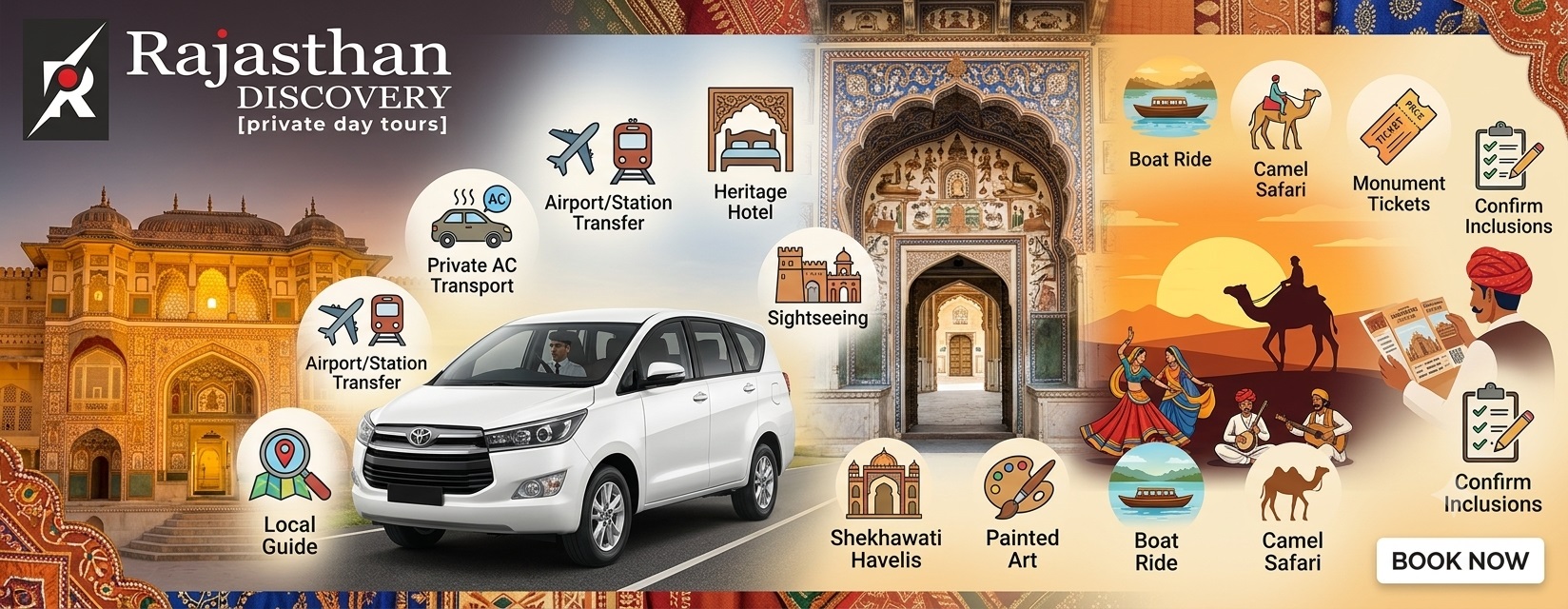
At the core, most packages cover four things – hotels, a vehicle with a driver, sightseeing stops, and sometimes meals. Beyond that, it gets a bit inconsistent. Two operators quoting the same itinerary can hand you very different inclusion lists, so don’t assume anything until you’ve read the fine print. If a quote seems unusually cheap compared to others, that’s often a sign something’s been left out – maybe the guide, maybe the AC vehicle, maybe entry tickets.
Hotels and Where You’ll Actually Stay
Accommodation eats up a big chunk of the budget, which is why it’s almost always part of the deal. Depending on what you’re paying, you could end up in a plain guesthouse or in a converted haveli that used to belong to a royal family generations ago. A lot of people specifically go looking for these heritage properties because staying in one is honestly part of the experience – carved stone archways, old courtyards, that whole atmosphere you can’t really get anywhere else. Packages tend to describe the hotel only by category (say, “3-star” or “heritage”), not by name, so it’s worth pushing your agent for the exact property before you pay anything.
Getting Around the State
Rajasthan is big, and the distances between cities add up fast. This is where a package genuinely earns its cost, because you’re not the one arranging cabs or negotiating fares in an unfamiliar town. Most packages include a private car, a driver, fuel, and pickup or drop-off from the airport or station. Given how hot it gets for most of the year, ask specifically whether the vehicle is air-conditioned – it’s a small detail that makes a real difference on a six-hour drive. Tolls, parking, and driver allowances are sometimes bundled in and sometimes billed separately, so that’s another line worth confirming.
Sightseeing, Guides, and Monument Entries
Fort and palace visits are usually already built into the day-by-day plan, but the entry tickets themselves aren’t always covered – this trips up a lot of first-timers. A local guide isn’t guaranteed either. Honestly, a decent guide changes the whole visit; without one, a place like Amber Fort can just feel like a maze of pretty walls with no context behind them.
Delhi Agra Jaipur Pushkar Tour
If you’re coming in from outside India, or even from another part of the country, chances are you’ll come across the Delhi Agra Jaipur Pushkar Tour at some point while researching. It’s one of the most booked combinations out there, and for good reason – Delhi gives you the capital’s history, Agra has the Taj Mahal, Jaipur brings the forts and the pink-city charm, and Pushkar closes things out with a much slower, spiritual pace around its lake. The distances between these stops are manageable by road, which is why operators build 6- to 8-day itineraries around this exact route, though you can always stretch or shrink it depending on how much time you’ve got.
What About Meals?
Breakfast is rarely a question mark since it’s served right at the hotel. Lunch and dinner, though, vary a lot from one package to the next – some include them as fixed meals, others just leave you free to eat wherever you want in town. Honestly, that second option isn’t a bad thing. Rajasthan’s food scene is worth exploring on your own terms rather than sticking to a set hotel menu every night.
Shekhawati Places to Visit
Shekhawati doesn’t get anywhere near the attention that Jaipur or Udaipur gets, and that’s a bit of a shame, because it’s home to one of the largest open-air collections of painted havelis anywhere in the world. Towns like Mandawa, Nawalgarh, and Fatehpur were built up by wealthy merchant families over a century ago, and the walls of these old mansions are covered floor to ceiling in frescoes – mythology, historical scenes, even oddly charming depictions of trains and early aeroplanes painted by artists who’d probably never seen either up close. Walking through these lanes feels less like sightseeing and more like wandering through an open gallery nobody’s charging you to enter. It’s not part of the usual tourist circuit, so fewer crowds, slower pace, and conversations with locals that feel a lot less scripted than what you’d get in the bigger cities.
Extra Experiences Some Packages Throw In
Beyond the standard stops, plenty of packages toss in small extras – a camel ride at sunset, a folk music evening, maybe a boat ride if the itinerary includes a lake town. These aren’t always free though; sometimes they’re offered as paid add-ons rather than included features. Ask for a proper day-by-day breakdown before booking so you know exactly what’s complimentary and what you’ll be paying for on the spot.
Planning Your Own Trip to Rajasthan
If you’re putting together a Trip to Rajasthan, timing matters more than people expect. Summers get brutally hot, especially out in the desert districts, so most travellers aim for October through March instead. It also helps to be honest with yourself about what you actually want to see – are you there for the grand forts and palaces, the desert landscapes, or something quieter like the Shekhawati towns? That answer shapes which cities deserve more of your limited days.
Questions Worth Asking Before You Book
Before handing over any money, ask a few blunt questions: Is the car air-conditioned? Are monument tickets included, or extra? Does the guide cost more? What happens if you need to cancel? Get the answers in writing if you can. It sounds like overkill, but it saves a lot of arguments once the trip is already underway.
Conclusion
At the end of the day, Rajasthan Tour Packages typically cover your stay, your transport, and a rough sightseeing plan – but the smaller details differ enough between operators that it’s worth double-checking before you commit. Read the itinerary line by line, ask about meals and optional charges, and don’t be afraid to push for specifics. Whether your plan follows the well-worn Delhi-Agra-Jaipur-Pushkar route or wanders off toward the quieter, painted towns of Shekhawati, knowing exactly what’s included ahead of time is what makes the difference between a smooth trip and a stressful one.
Frequently Asked Questions (FAQs)
Que. Do Rajasthan tour packages include flights or train tickets?
Ans. Generally, no. Most packages begin from your point of arrival in Rajasthan or Delhi and only cover local movement from there. Flights and long-distance trains are almost always booked on your own.
Que. Are entry fees for monuments included in the price?
Ans. It depends entirely on the operator. Some build ticket costs into the package, others list them separately. Always get this confirmed in writing before you pay the deposit.
Que. How many days does the Delhi-Agra-Jaipur-Pushkar route usually take?
Ans. Most itineraries run somewhere between 6 and 8 days, which is enough time to see the Taj Mahal, explore Jaipur’s forts, and spend a night or two by Pushkar’s lake without feeling rushed.
Que. Is Shekhawati part of a standard Rajasthan package?
Ans. Not usually. It sits outside the main Jaipur-Udaipur-Jodhpur loop, so it’s often offered as an optional detour rather than a default stop – worth requesting if you’re into art, architecture, or just quieter towns.
Que. When’s the best time to visit Rajasthan?
Ans. Roughly October through March. The weather cools down enough to make sightseeing comfortable, especially in the desert regions where summer temperatures climb uncomfortably high.

Sorry, the comment form is closed at this time.