

How Do Rajasthan Sightseeing Packages Support Local Culture?
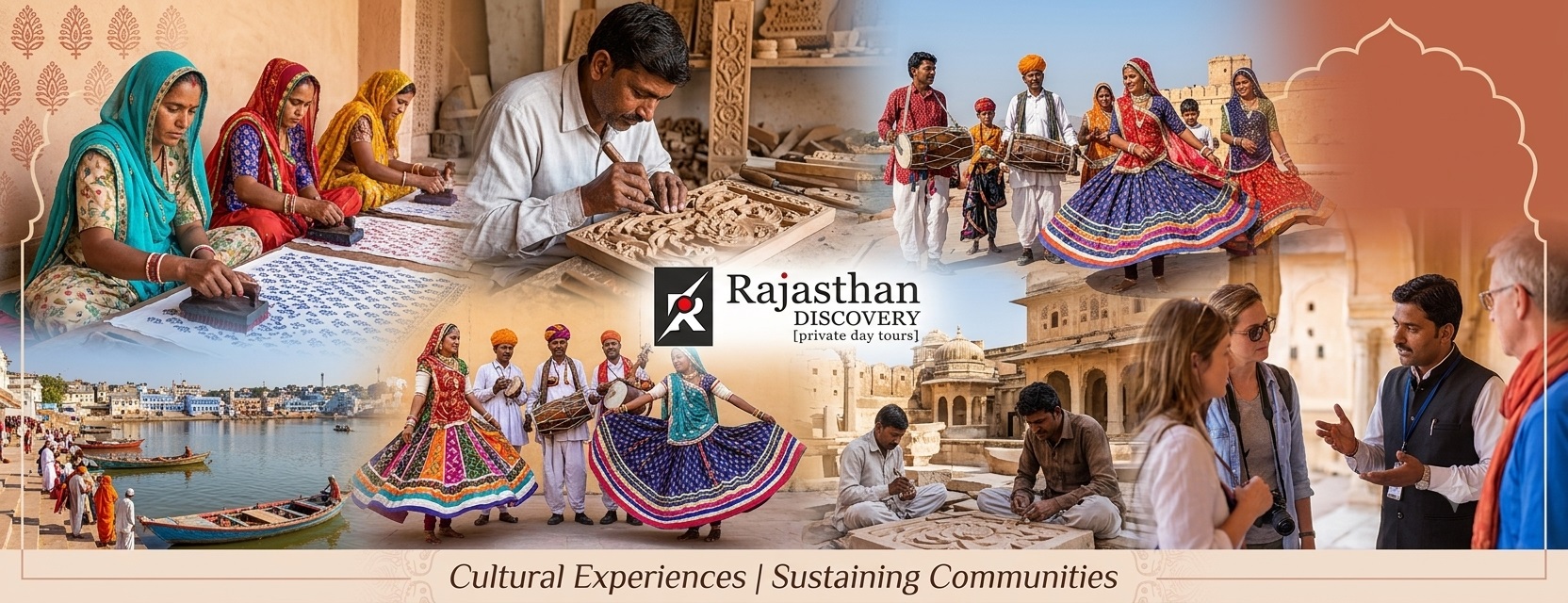
Tourism in Rajasthan bumps into living traditions of craft, performance, architecture and community practice in a way that feels continuous. When travel arrangements are done with care, visitor interest can be channeled into ongoing support for these traditions instead of treating them like fixed exhibits. If you look at how Rajasthan Sightseeing Packages operate you can spot a few mechanisms where cultural continuity gets practical reinforcement, not just a quick look.
Economic Linkages Created by Structured Sightseeing Routes
When travellers follow organised routes, spending reaches local participants at several points, not just one. Guides, drivers, craftspeople, musicians, and small hospitality providers get income in a direct way. Packages that emphasise private stays or small group travel often raise the share of expenditure that stays inside regional economies. Rajasthan Discovery sets its programmes up so local interpreters and service providers are genuinely part of the experience, and this helps turn visitor presence into measurable economic activity for communities that continue traditional skills.
This effect can be spotted across many itinerary styles. A Rajasthan Trip Package from Delhi usually starts in the capital and then moves into the state, creating immediate demand for regional transport, accommodation and guiding services from the first day of arrival. Over time, the combined influence of repeat visitor flows supports livelihoods connected with cultural know-how.
Connecting Major Centres Through Cultural Continuity
The Delhi to Jaipur Tour Package by Car showcases a workable path for cultural immersion, not in a rigid way but in a smoother road rhythm. Going by road means you can make intermediate stops at places where daily customs are still present and not just performed for visitors. When travellers arrive in Jaipur, there is the chance to see living craft traditions in small workshops, where textiles, jewellery and decorative arts keep being produced. With private arrangements in place, visits can include exchange with artisans, so their knowledge is seen as a current resource, not merely as something placed in a museum of the past.
In a similar manner, the Delhi to Agra Trip Package connects Mughal architectural heritage with a wider northern Indian cultural panorama. Even though Agra is beyond Rajasthan, the package often appears as part of longer itineraries that then later enter the state. The flow of the journey encourages travellers to notice ongoing themes and also the differences in artistic choices, patronage patterns, and community responsibilities across neighbouring places.
Incorporating Sacred and Festival Landscapes
A Jaipur Pushkar Tour Package brings people into contact with pilgrimage traditions that keep influencing everyday life. In Pushkar, the lake, temples and the periodic gatherings involve local priests, vendors, and performers, and their work is tied to very long social and religious patterns. Tour plans that allow enough time in these areas create chances for calm observation and, where it makes sense, gentle involvement in community-supported activities. The trade of money and services that follows helps sustain the families who keep ritual knowledge alive as well as the crafts that go with it.
When itineraries go on longer, some travellers mix Rajasthan stretches with a Varanasi Tour Package from Delhi. Even if Varanasi sits in a different state, you still get this odd balance, where river-based sacred practices meet Rajasthan’s courtly ways and desert traditions. This back-to-back contrast can give useful insight about how many different living cultural expressions exist across northern India. By arranging the whole flow in private, travellers can also notice similar motifs of continuity and adaptive change.
Engaging Regional Architectural and Artistic Traditions
Jaipur to Abhaneri Tour Packages places your attention on one particular heritage landscape. Abhaneri is famous for its stepped well and the temple-like structures nearby; they point to a level of water-management knowledge that was really advanced, along with aesthetic ideas shaped in the region. When the visit is organised via private packages, it also supports local caretakers and interpreters who talk about the historical and technical meaning of the site, in plain but vivid terms. This kind of narrow focus helps keep both the physical structures intact and the oral knowledge that goes with them.
Wider routes sometimes fold in the Luxury Golden Triangle Tour, connecting Delhi, Agra, and Jaipur. In a private layout, the itinerary can leave space for meetings with present-day craftspeople whose products use historical techniques. Luxury framing does not have to pull travellers away from local culture; when it is designed carefully it can direct money toward genuine local craftsmanship and knowledgeable guiding, rather than generic services.
Mechanisms of Cultural Support Beyond Direct Spending
Local culture support runs across multiple linked pathways, so it does not just stop at “one thing” and done. Hiring local guides passes along specialised insights and also gives work and meaning to livelihoods that connect directly to cultural expertise. Going to artisan workshops opens space for markets selling handmade items, where the craft process may otherwise get squeezed by economic pressure. When people attend traditional music or dance events that are arranged by community-based organisers, the performance lineages keep moving and staying alive.
Also, package design that is responsible needs attention to timing and how much there is. Keeping numbers from getting too high at delicate locations protects the physical setting, but also the dignity of everyday local practices. Good briefing on what behaviour fits, especially in religious or residential areas, strengthens respect practically. Operators like Rajasthan Discovery build these points right into how the itinerary is laid out, so cultural participation stays mutually beneficial instead of becoming extractive.
Role of Flexible Private Formats
Private sightseeing arrangements give a few particular advantages for cultural support, and yes, they matter. You can pick timing that fits better, so travellers can show up for local events that end up outside rigid group patterns. Because there are fewer people, it feels less pressurised for the community spaces, and the conversation can turn more natural, more genuine. Also, routes can be shifted depending on seasonal festivals or when certain artisans are available, so visitor presence matches local cultural calendars more cleanly.
Rajasthan sightseeing packages that include these flexible parts therefore do more than act like simple logistics. They become tools for directing attention and resources toward living traditions. Whether the plan focuses on the Luxury Golden Triangle Tour or a Jaipur Pushkar Tour Package, or even specialised segments like Jaipur to Abhaneri Tour Packages, the main idea stays the same: turning travel curiosity into tangible help for cultural practitioners.
Longer-Term Cultural Continuity
Repeated patterns of well-managed visitations help skill passing across generations. Young people watching how traditional crafts work and seeing that they can still be economically viable may decide to stay within those trades, or mentor others in the same manner. When thoughtful tourism also produces documentation and interpretation, it can then support local learning programs and conservation work. So, sightseeing packages end up joining a broader routine of cultural upkeep that lasts longer than any single trip.
What happens with the combination of Rajasthan Trip Package from Delhi, road-based Delhi to Jaipur Tour Package by Car, and related choices such as the Delhi to Agra Trip Package or Varanasi Tour Package from Delhi gives several ways in, for different kinds of visitors and local groups. Each package format brings in different participants, which spreads benefits across a larger map and a wider social circle.
Conclusion
Rajasthan Sightseeing Packages support local culture by turning a visitor’s interest into employment, market demand, and careful respectful engagement with living traditions, even when the itinerary feels a little busy. Some routes that include the Jaipur Pushkar Tour Package, Jaipur to Abhaneri Tour Packages, the Luxury Golden Triangle Tour, Delhi to Jaipur Tour Package by Car, Delhi to Agra Trip Package, Rajasthan Trip Package from Delhi, and a carefully sequenced Varanasi Tour Package from Delhi create economic activity for guides, artisans, performers, and the site custodians. If they are designed with attention to scale, timing, and reciprocity, these packages strengthen cultural continuity rather than reduce it. The outcome becomes a travel approach that acknowledges local knowledge as a modern resource and then directs resources toward its continued practice.
Frequently Asked Questions (FAQs)
Que. How do Rajasthan Sightseeing Packages create economic benefits for local communities?
Ans. They generate income for guides, drivers, craftspeople, performers, and small hospitality providers through direct employment and purchases of locally made goods and services.
Que. In what way does a Jaipur Pushkar Tour Package engage living cultural practices?
Ans. It places travellers in contact with pilgrimage traditions, local ritual specialists, and associated crafts, creating opportunities for respectful observation and economic exchange that support ongoing community roles.
Que. Can a Luxury Golden Triangle Tour contribute to cultural support?
Ans. Yes. When structured with local guides and visits to contemporary workshops, it directs resources toward skilled practitioners whose techniques draw on historical knowledge.
Que. Why include Jaipur to Abhaneri Tour Packages in discussions of cultural support?
Ans. These packages focus attention on specific architectural and water-management heritage, supporting local caretakers and interpreters who maintain both the physical sites and associated knowledge.
Que. How does a Delhi to Jaipur Tour Package by Car facilitate cultural engagement?
Ans. Road travel permits intermediate stops and flexible timing, allowing encounters with living craft traditions and local interpreters that larger fixed schedules often overlook.

Sorry, the comment form is closed at this time.